

Why is it Important to be Embodied?
Because we miss the best parts of life if we aren't.

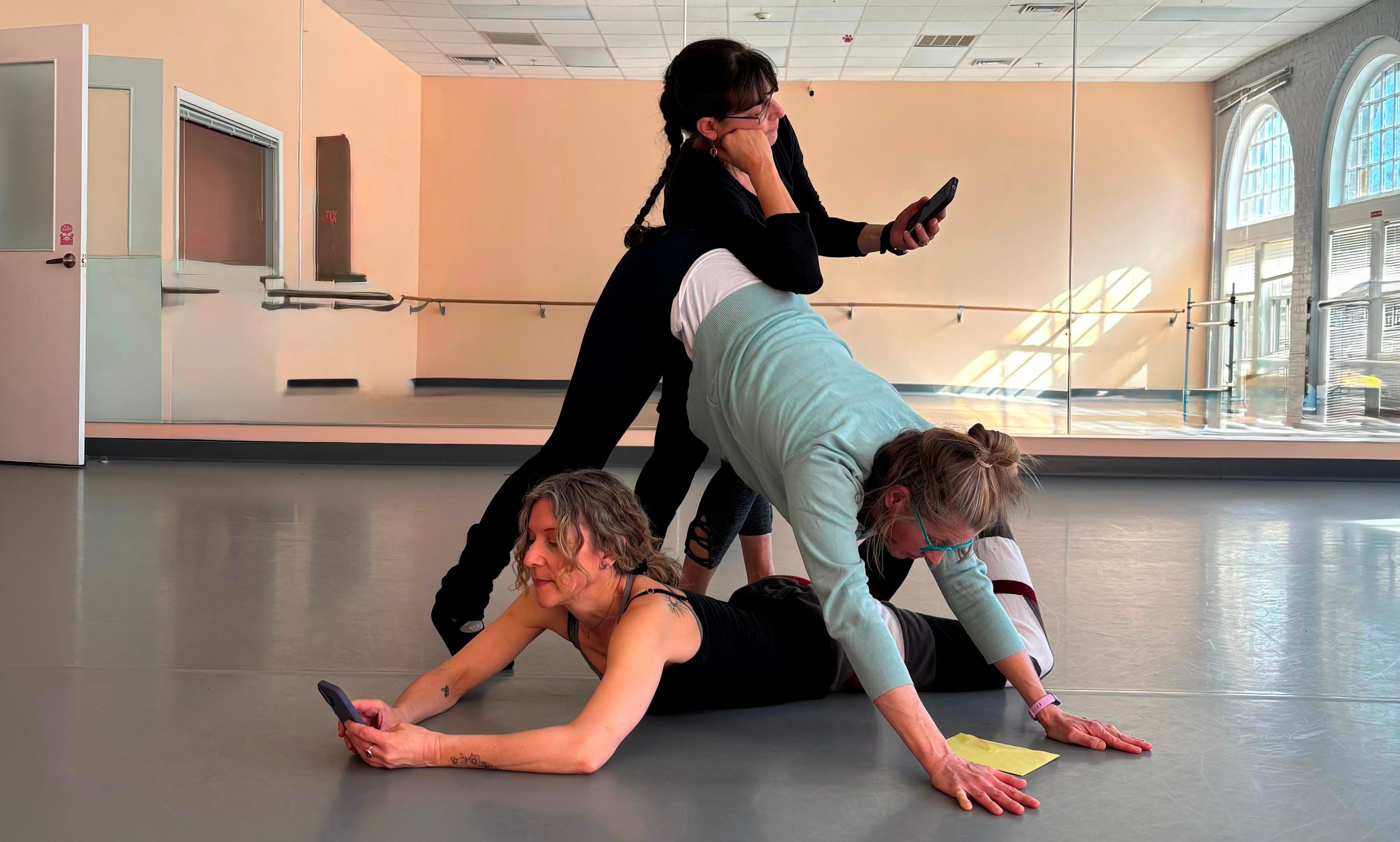
Last week, Encore Dance Ensemble, the modern dance company I’m incredibly grateful to be a part of, performed a piece I’m choreographing about cell phones replacing intimacy and community as a “work in progress” at a long-term care facility.
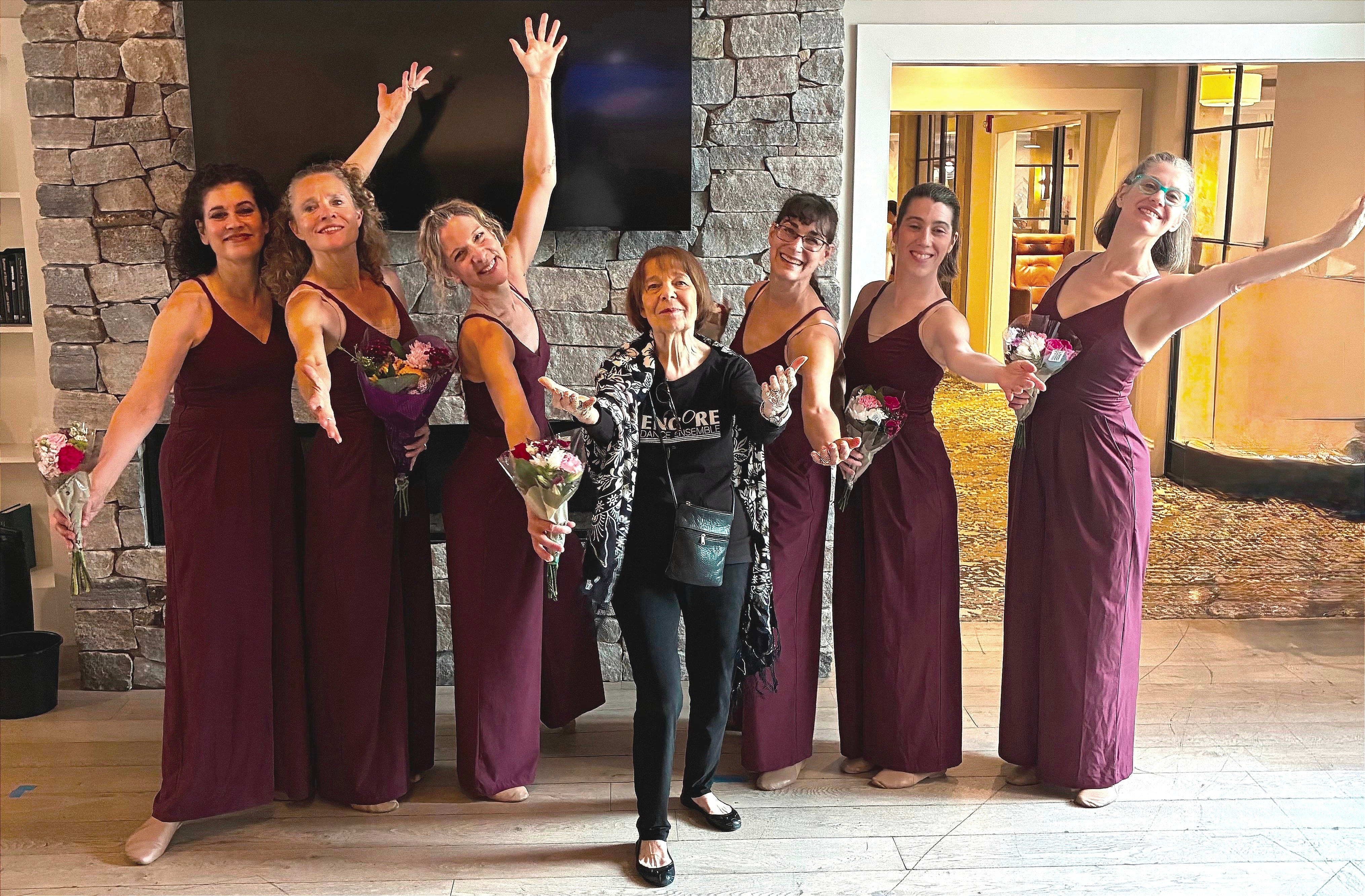
We danced for the residents and introduced simple, meaningful movements they could orchestrate from their chairs. This felt like an important honoring of our elders, which doesn’t happen enough in American culture. All of the dancers were over 40 (most of us over 50), so we have stories to tell, some that made the staff and residents tear up with resonance.
This artistic work (which I get no income from) felt like some of the most meaningful work of my week—along with the counseling work I do with clients, of course.
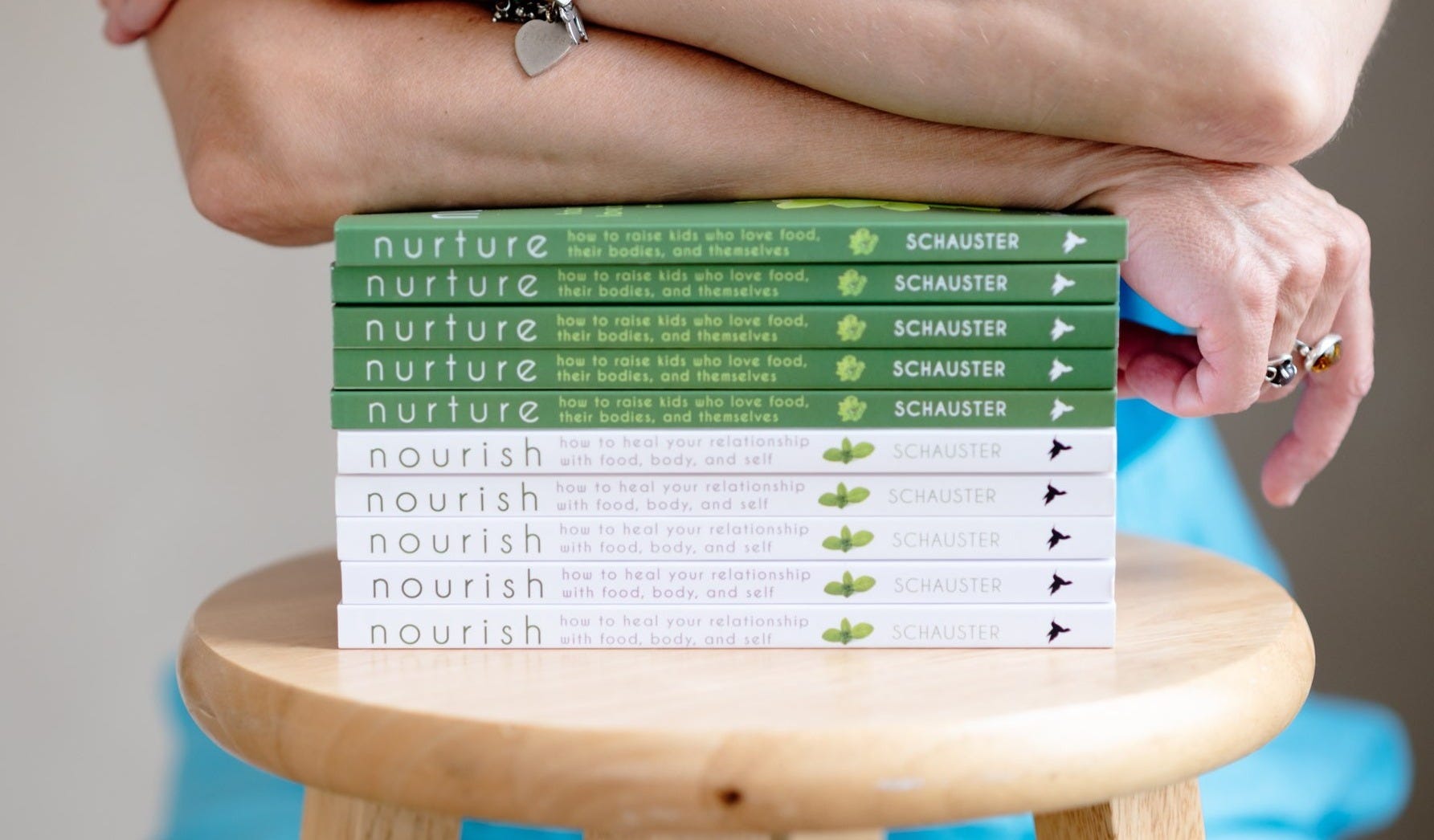
When I wrote my first book, Nourish: How to Heal Your Relationship with Food, Body, and Self, in 2018, I wrote about how I returned to ballet with beginner’s mind after leaving it for 20 years. Although modern dance (along with ecstatic dance and improvised partner dancing) are more my jam now, I do enjoy an occasional ballet class.
I can’t do what I once was able to do with my younger body, but feeling the music and moving in familiar ways connects me to and transcends my adolescent relationship with ballet—which was a time when I also struggled with an eating disorder. Today, I’m much kinder, gentler, and more appreciative of my body as it moves.
When I wrote my second book, Nurture: How to Raise Kids Who Love Food, Their Bodies, and Themselves, I got wise to the fact that I can’t write a chapter on physical activity and movement without addressing disabilities. Not everyone can move their bodies in the ways they’d like, and having a loving relationship with the body can be a significant challenge.
I thought about those smiling faces reaching out their arms during the audience participation part of our performance last week. Though their bodies are not as vital, flexible, or articulate as they once were, all the residents still have bodies that crave movement, community, and expression. I’m grateful we had the opportunity to help them remember that morning that their bodies deserve care and attention.
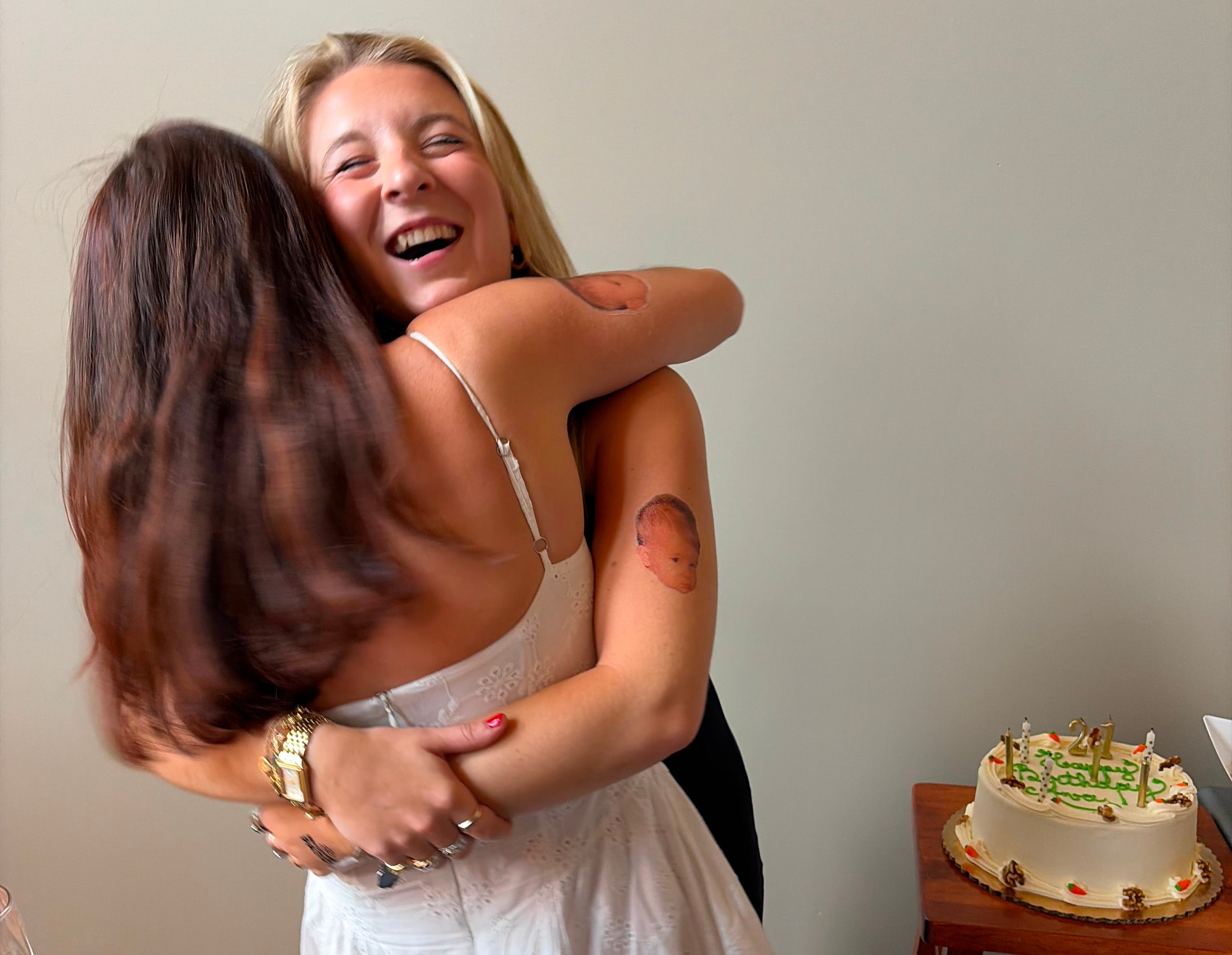
The second part of the same day that made me happy to have a body was when I said goodbye to my 21-year-old daughter as I was heading to the performance. I had just finished sitting for meditation, burning incense and a candle, when I gave Ava a goodbye hug. I was very much in my body after meditating, savoring the rare hug from this young adult who was once my child. She said to me, still dreamy from sleep, “Mom, you smell like a beeswax candle. If I was a bee, I would fly to you.”
This is living to me.
I can get so bogged down with projects, to-dos, bill-paying, stressing about bill-paying, making sure I have everything in my bike bag, wondering if I said the right thing to a friend who was hurting, wondering if I’m on the right track with a creative seed… All of this is necessary sometimes. Thinking is wildly human. We learn from the past, and we plan for the future with intention, and that is all well and good.
But the real living is not in our heads (or on our phones). It’s in the moments. And the moments happen in our bodies and in our senses.
Yes, they just do.
We have to look up from our phones and be dropped into our bodies, or we will surely miss them.


I never want to miss a sweet thing that my launching 21-year-olds say to me, since most of the time they are appropriately off with friends or exploring the world on their own.
I never want to miss a smile or encouraging word from a wise elder who knows so much more than I do that moments are what life is made of.
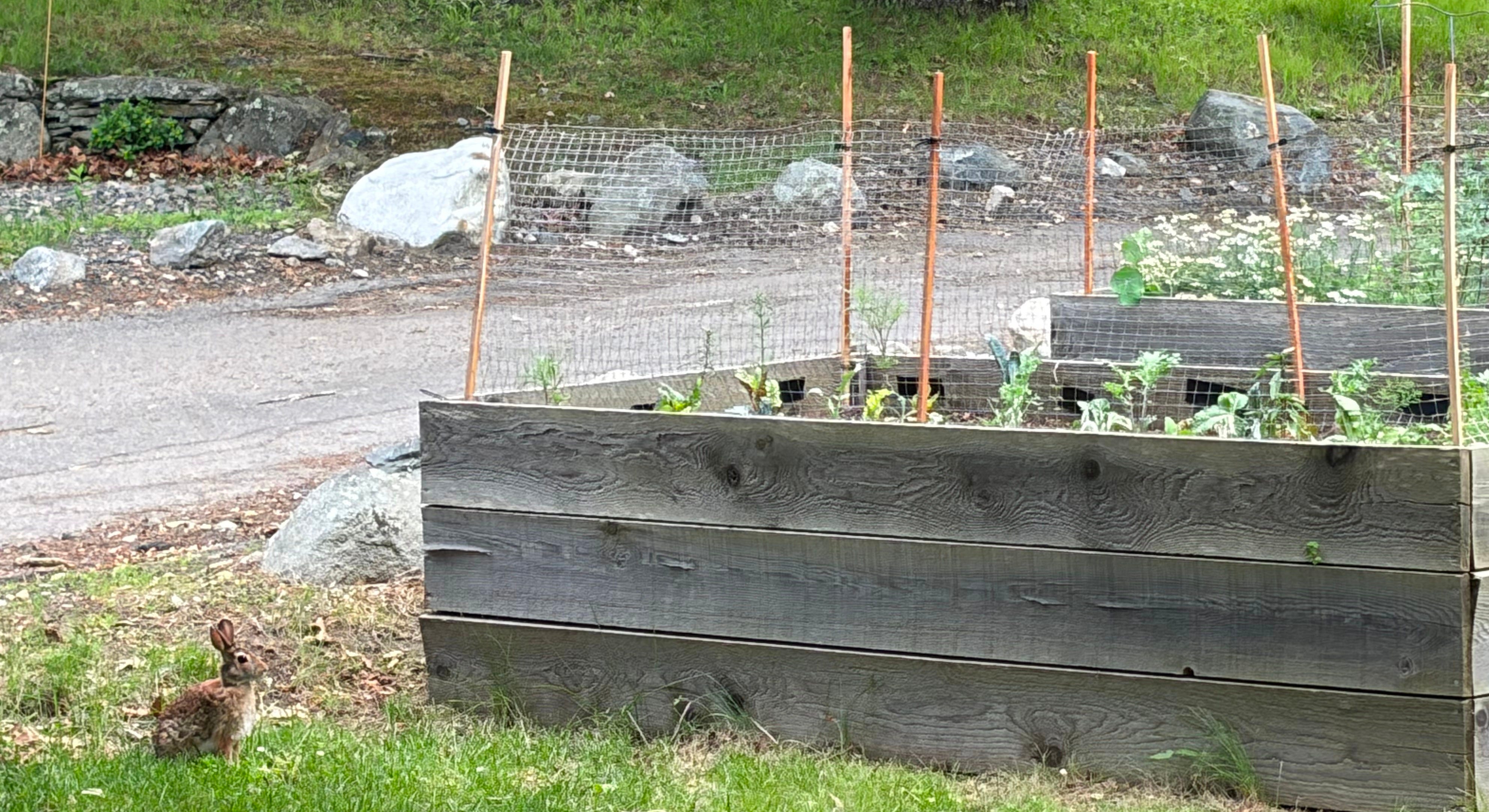
And I never want to miss moments in nature that feed my soul, even if they occur on my way to an appointment or while I’m checking off my to-dos. (Putting fencing up around my garden was a wise to-do choice, for example, though this bunny sentinel was giving me the side eye.)
I work with people in my clinical practice on embodiment. Sometimes that means recovering from an eating disorder and eating enough food every day. Sometimes that means examining their compulsive relationship with exercise. Sometimes that means renegotiating trauma that has been stuck in their bodies and leads them to have action patterns that do not serve them well.
In all of these cases, the goal is to skillfully navigate being in a body—which houses emotions and sensations—in this life. That’s no easy road for many of us, though I believe that working toward embodiment on a regular basis is life-altering and vitality-welcoming.
May you not miss the moments that really matter.
The special sauce is that you have to be located inside your body to savor them.

Nourishing Nuggets:
I have some space in my calendar for new clients for the first time in a while. If you are interested in scheduling a nutrition therapy or Somatic Experiencing (SE) session with me, you can read about this work and make an appointment on my website.
If you’ve been a part of one of my supervision groups in the past or you are curious, I’m offering a Drop-in Summer Supervision/Consultation Group for professionals who see clients with eating disorders on Friday, August 21, at noon EST. (This group will be intentionally small and filled on a first-come, first-served basis, with those in my existing groups given preference.) Come bring a case that’s concerning you or a big question about embodiment work to discuss with like-minded clinicians. Here’s the link to register: https://app.acuityscheduling.com/schedule.php?owner=16574070&appointmentType=94131445
Regular monthly supervision/consultation groups for professionals who see clients with eating disorders begin in September 2026 through June 2027. Registration is now open for these groups until they fill, so please reach out to me this summer (heidi@anourishingword.com) if you are interested in joining one. As always, my groups have an orientation around bringing the body safely into the counseling space with a trauma-informed Somatic Experiencing (SE) lens. (Note: While SE is a three-year training that can’t be replicated in a consultation group, I do aim to increase clinicians’ knowledge and skills in this area, so my groups tend to fill with those who have this interest.)
Because I can’t mention one twin without the other, here’s a video reel I recently created with my other daughter, Kyla, on Instagram, TikTok, and YouTube. Please “follow” along with us, if you are on those platforms. Though I have some guilt about contributing to doomscrolling, I do like putting wholesome, food-celebrating content out there. I’m increasing my following to create interest in my next book, and my younger brother’s now-famous edits are indeed hilarious.